
Therapy
Individual Therapy
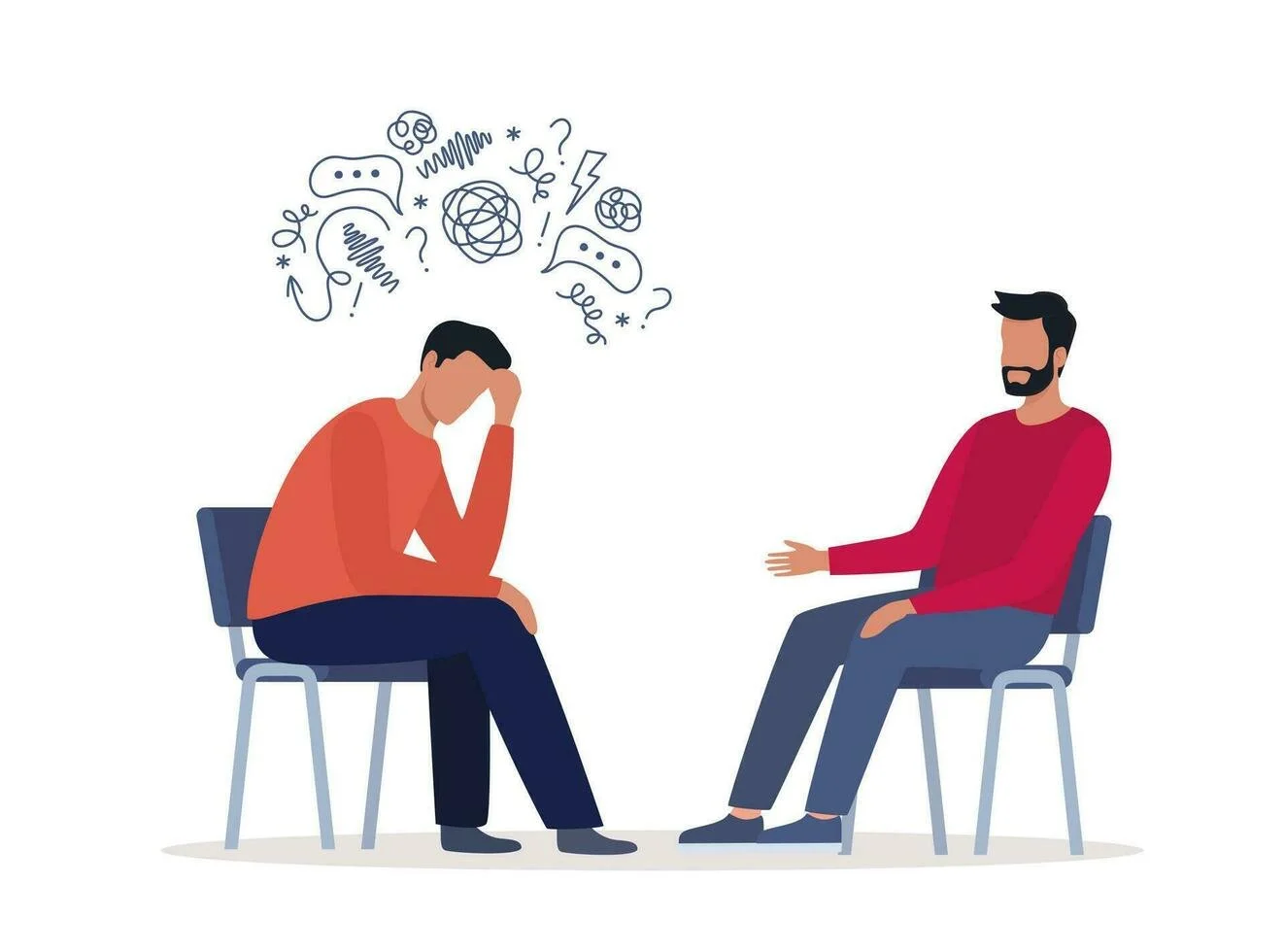
You don’t have to be in crisis to benefit from therapy. Sometimes you just know something isn’t working anymore: the way you relate to yourself, the patterns you keep repeating, the amount of energy it takes to get through the day, or the version of yourself you’ve learned to perform for everyone else. Individual therapy gives us space to slow things down, understand what’s underneath it all, and figure out what you actually need.
My individual work often focuses on neurodivergence and masking, LGBTQIA+ and identity concerns, attachment and relationship patterns, anxiety and overwhelm, boundaries and people-pleasing, self-worth, intimacy and sexuality, life transitions, and navigating kink, polyamory, or other nontraditional relationship structures.
You don’t need to know exactly what the “issue” is before you walk through the door. Figuring that out can be part of the work.
Relationship Therapy
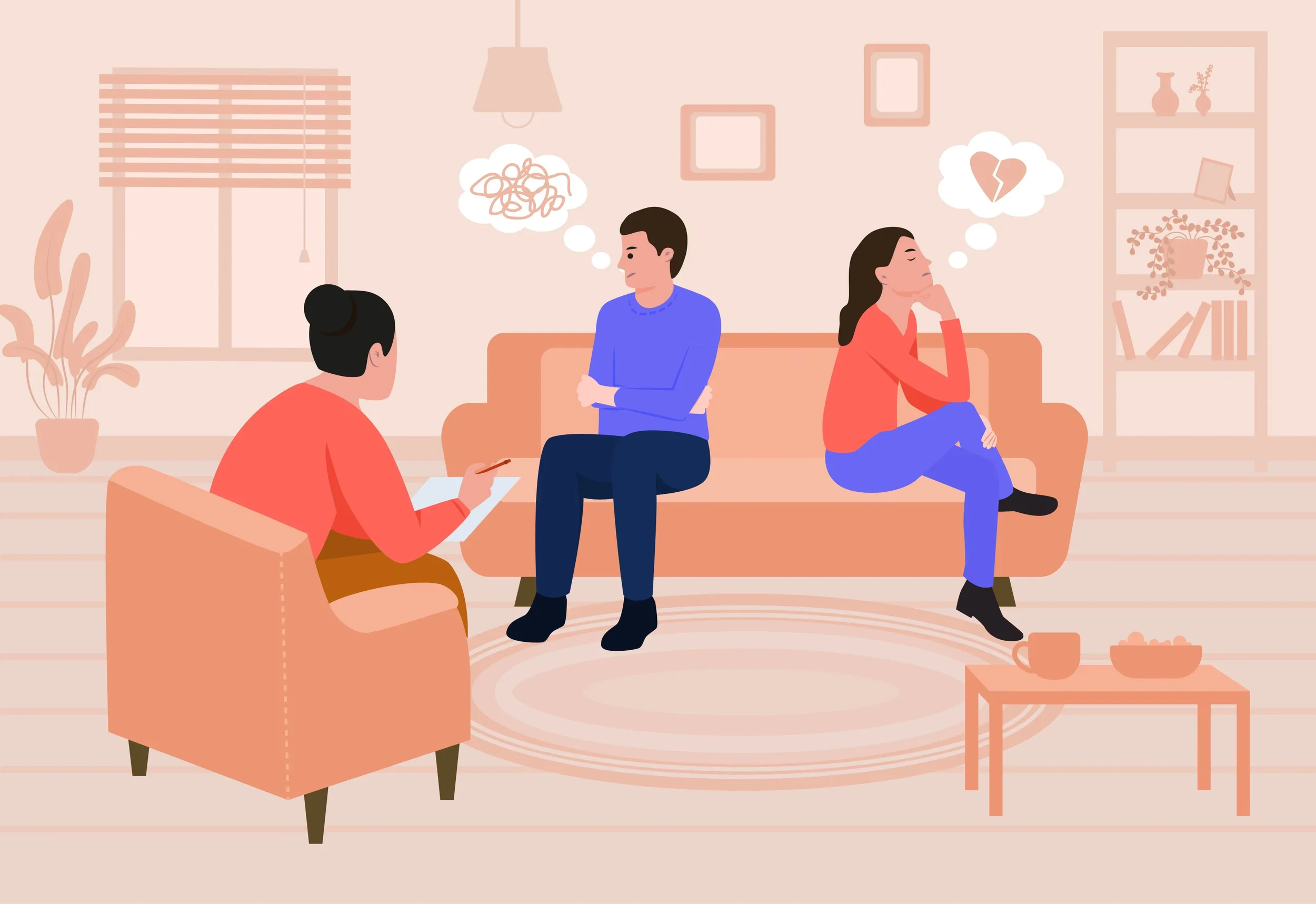
Most relationships don’t come to therapy because they’ve stopped caring about each other. They come because they’re stuck. You keep having the same argument, one of you reaches to be seen while the other pulls away in shame, communication gets lost in translation, or you’ve slowly stopped feeling like you’re on the same team. Relationship therapy helps us slow that cycle down, understand what’s actually happening underneath it, and find a different way back to each other.
My relationship work includes neurodiverse relationships, communication and recurring conflict, emotional disconnection, attachment differences, intimacy and sexuality, trust, life transitions, LGBTQIA+ relationships, kink/BDSM dynamics, and polyamorous or ethically non-monogamous relationships.
For neurodiverse couples in particular, we explore how different communication styles, sensory needs, emotional processing, executive functioning, masking, and expectations around connection affect the relationship without deciding that one partner’s way of experiencing the world is the “right” one.
Neurodiverse Therapy
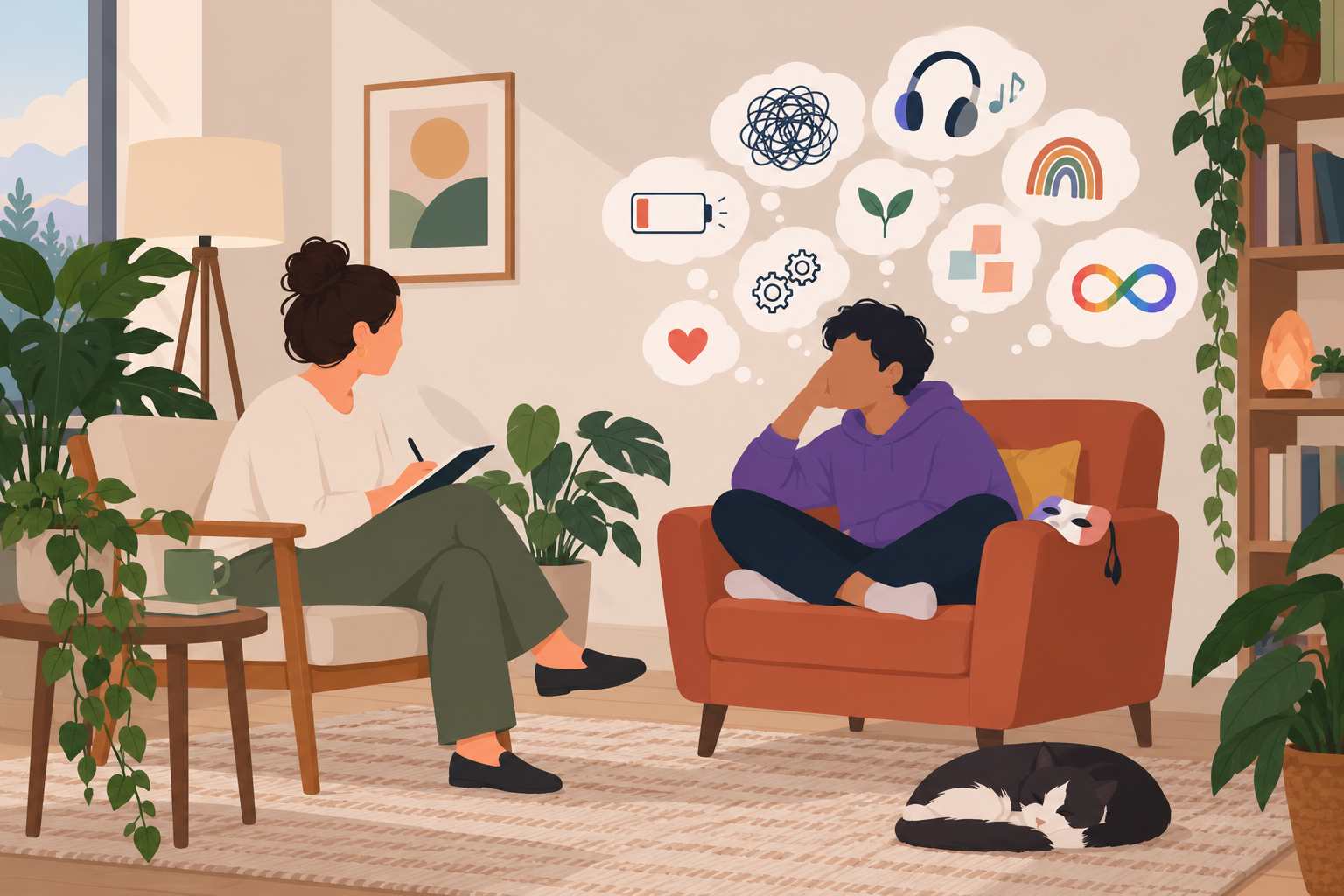
Maybe you’ve spent years being told you’re too sensitive, too much, not trying hard enough, bad at communicating, or somehow doing life wrong. Maybe you learned to mask so well that other people have no idea how much effort it takes just to keep up. Neurodiversity-affirming therapy gives you a place to understand how your brain actually works, make sense of the ways you’ve adapted, and build a life that works with you instead of against you.
Our work might include ADHD, autism, AuDHD, masking and unmasking, executive functioning, sensory needs, overwhelm, burnout, emotional regulation, identity and late diagnosis or discovery, rejection sensitivity, boundaries, relationships, communication differences, self-advocacy, and the exhaustion that comes from trying to meet expectations that weren’t designed with your brain in mind.
You don’t need a formal diagnosis to explore neurodivergence in therapy. You’re allowed to be curious about yourself before you have all the answers.
2SLGBTQIA+ and Queer-Affirming Therapy

There’s a difference between working with a therapist who accepts your identity and working with one who understands that your identity shapes how you move through the world. Therapy should be a place where you can explore sexuality, gender, relationships, family, community, and identity without having to defend, explain, or sanitize who you are. You get to bring all of yourself into the room.
Our work might include sexual orientation and gender identity, coming out, identity exploration, gender dysphoria and euphoria, gender transition, relationships and intimacy, family and religious experiences, internalized shame, minority stress, boundaries, chosen family, neurodivergence, sexuality, kink/BDSM, polyamory and ethical non-monogamy, or simply figuring out what being authentically yourself looks like.
You also don’t need to arrive with the perfect label. Questioning is an identity experience too.
The business-y stuff…
-
50-minute sessions are $180
80-Minute Sessions are $250 -
Quality therapy should always be accessible. If cost is an issue, please talk me about sliding scale or reduced rate agreements. I have a limited number of these slots available, so I may not always be able to accommodate a reduced fee.
-
I currently do not accept insurance. I can provide a superbill that you can submit to your insurance directly for reimbursement. I cannot guarantee that you will be reimbursed. Please make sure you contact your insurance provider before we begin our work together to verify out-of-network benefits.
-
I like being comfortable. You should be to! That’s why I am 100% virtual. I utilize a safe and secure telehealth platform that we will use for our sessions together. Right from the comfort of your own couch!
-
I am independently licensed in Washington state. My license number is MHC.LH.70164617
Ready to see what could be different?
You don’t need to have the right words, a perfect goal, or everything figured out before you reach out. Let’s start with a conversation. Schedule a consultation, tell me a little about what’s going on, and we’ll see if working together feels like the right fit.